
As many communities across the country struggle with rising violence, a team of researchers from Drexel’s Dornsife School of Public Health took a unique approach to better understand the experiences of victims of urban violence […]
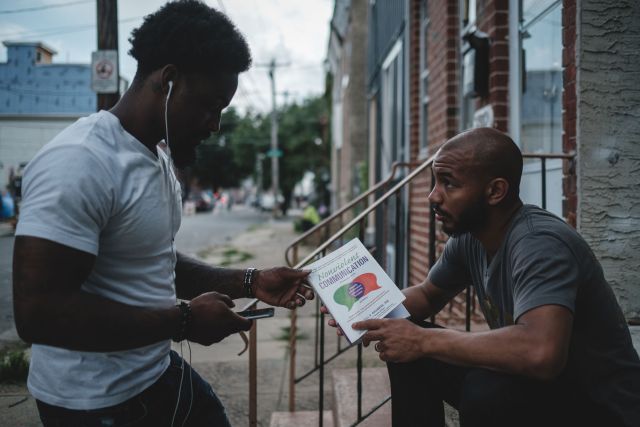
As many communities across the country struggle with rising violence, a team of researchers from Drexel’s Dornsife School of Public Health took a unique approach to better understand the experiences of victims of urban violence […]

Throughout the COVID-19 pandemic, experts from Drexel University’s Dornsife School of Public Health have researched disparities in testing, vaccination, health care access and other markers of the pandemic response. The latest study, this month in […]

Although the commonwealth’s laws may be inconvenient for some, the idea of adding inconvenience may help the public’s health, according to new data from researchers at the Urban Health Collaborative at Drexel’s Dornsife School of Public Health, recently published in the journal Substance Abuse Treatment, Prevention, and Policy.

We’ve passed the annual tax-filing deadline, and households across the country have gathered financial papers documenting tax payments — with the ostensible goal of paying our share so the government can provide for the public good. But as the pandemic continues into its third year, it’s reasonable to wonder how those tax dollars are being used to build healthier, more equitable communities — and how we are to know if those programs are working.

Deaths skyrocketing from the nation’s opioid crisis overshadows another growing nightmare for communities and families across the United States: the long-term health effects of nonfatal opioid overdoses. In a new review paper in International Journal […]

Reflecting on how Philadelphians reacted when the pandemic first hit may help us learn to be better prepared for changes in this pandemic, as well as other health crises down the road.

Many scientists believe that SARS-CoV-2, the virus responsible for COVID-19, will become “endemic.” It will seasonally circulate in a similar fashion to the other common respiratory viruses, such as those that cause the common cold or flu. If this bears out, there will not be a true end to the pandemic (with accompanying ticker tape parade down Broad Street), but a gradual transition, to an illness that we will have to live with.

If you’re frequently trying to make sense of the number of local and national COVID-19 cases and deaths from the CDC’s tracker or other places, but are unsure what it all means, you’re not alone.

Written by Michael T. LeVasseur, PhD, MPH, a visiting assistant professor in the Department of Epidemiology and Biostatistics at Drexel University’s Dornsife School of Public Health. LeVasseur has commented extensively in news stories about COVID-19. […]

No matter who is in elected office, from time to time, citizens may agree or disagree with specific policies, positions, action or inaction, but public trust in our elected representatives is at a mere 17 […]